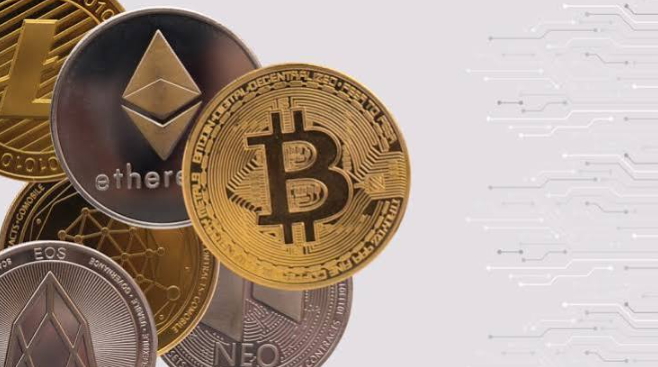

Altcoins offer diversification beyond a single dominant asset, exposing portfolios to varied use cases and market dynamics. They can capture real-world adoption, cross-chain interoperability, and scalable data networks, potentially supporting value beyond speculation. Yet regulatory shifts, rising compliance costs, liquidity gaps, and heightened volatility pose material risks. A disciplined framework with auditable code and clear tokenomics matters. The balance between opportunity and risk demands careful evaluation before allocating capital, leaving the door open to what smarter analyses might reveal next.
Why Altcoins Fit a Diversified Portfolio
Altcoins can contribute to diversification by offering exposure to different use cases, technologies, and market dynamics beyond a single dominant asset.
The analysis notes varied performance drivers, correlation patterns, and risk profiles across assets.
This insight supports altcoins diversification as a logical component of thoughtful asset allocation, while emphasizing disciplined risk controls and portfolio resilience through measured exposure and ongoing review.
See also: financepoly
Real-World Use Cases Driving Altcoin Value
Real-world use cases are the primary lens through which altcoins justify value beyond mere price speculation, with each asset tied to specific applications such as decentralized finance, cross-chain interoperability, or scalable data networks.
These dynamics reflect real world adoption while datasets show variable uptake, infrastructure maturity, and performance.
Regulatory compliance and transparent governance remain critical to sustained investor confidence and broader implementation.
Risks and Practical Mitigation for Altcoin Investors
Investors moving from real-world use cases to the risks and practical mitigation for altcoins encounter a landscape where potential returns are matched by notable uncertainties. Market dynamics shape volatility, liquidity, and pricing gaps, while regulatory impact increasingly guides compliance costs, reporting, and exchange access. Prudent strategies emphasize diversification, risk controls, transparent project disclosures, and continual monitoring of governance, security, and incident histories.
A Pro’s Checklist for Evaluating Altcoins
The approach favors transparent revenue models, clear tokenomics, auditable code, and robust governance.
Analysts acknowledge volatile liquidity and regulatory ambiguity, weighting risk-adjusted metrics, market depth, and project milestones to distinguish meaningful innovation from speculative noise in a freedom-focused landscape.
Conclusion
Altcoins offer diversification beyond Bitcoin, tapping unique use cases and cross-chain potential. A notable statistic underscores the risk-reward dynamic: during 2023–2024, altcoin market cap fluctuated by roughly ±60% in several quarters, signaling high volatility alongside growth moments. Cautious investors should emphasize auditable code, transparent tokenomics, and robust governance, while applying risk-adjusted metrics and scalable due diligence. Ultimately, a disciplined framework can harness real-world value without overexposure to regulatory or liquidity shocks. Balanced, data-informed decision-making remains essential.